


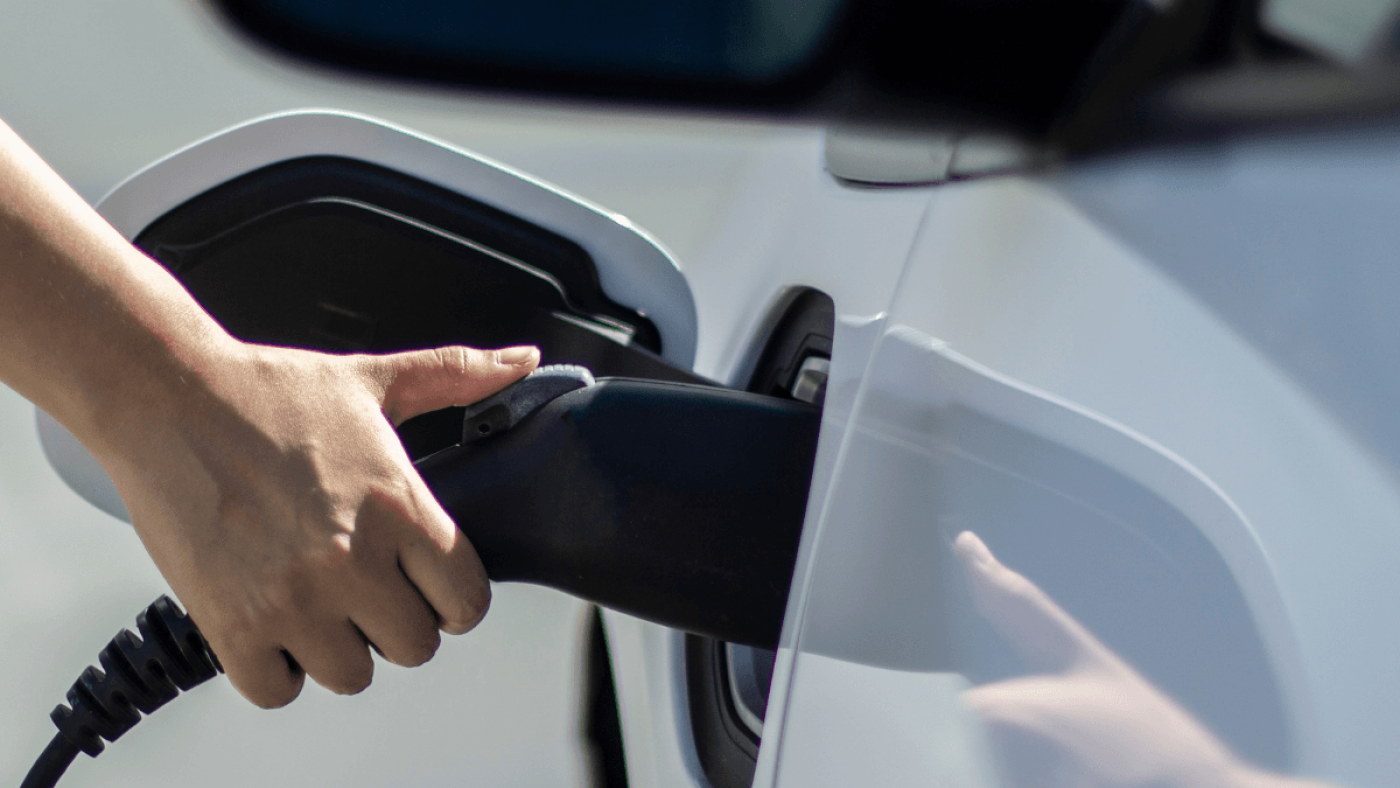
In general, the range of electric vehicles is improving. However, it can vary significantly depending on the outside temperature. Thanks to various charging apps and navigation devices, it’s fairly easy to find a charging station, but some questions remain unanswered, such as: Can I use my charging card? Is the charger available? This is important information that is often missing from navigation systems and must be checked manually using other apps. Furthermore, there is no price information displayed either in the navigation system or on-site.
The experiences of an early adopter of electric vehicles
In real life, things often turn out differently than expected!
When I arrive at the charging station, it’s pouring rain. A 360-kW Supercharger promises fast charging. Now the challenge begins. The charging station has no roof, and I try to take shelter under my umbrella. The charger’s display is quite confusing and mounted much too low, so you have to bend down, which isn’t so easy with an umbrella in your hand. According to the instructions on the display, I’m prompted to enter the charging point number. This information is located on the charging plug’s mount, but it’s printed in extremely small font and isn’t legible in the dark. In addition to my umbrella, I need to use my smartphone’s flashlight to identify the charging point. Finally, I select the correct charging point and manage to charge my car.
The Electric Car Race
If you want a chance to win a race, you first have to start. Once you cross the starting line, there are still several challenges ahead before you reach the finish line. Electric vehicles will dramatically transform the entire automotive business model and also have a significant impact on other industries, such as convenience and grocery retail. Many EV charging stations will require new concepts such as unmanned stores or shops. However, it is not only electric vehicles but also labor shortages and labor costs that will drive the development of these new business models.
Thanks to remote diagnostics and remote maintenance, many problems and errors can be resolved remotely. But what about mechanical damage to the charger or the surrounding infrastructure (e.g., lighting, air quality monitors, vacuum cleaners, etc.)? Charging station operators need a range of different systems to maintain control over their equipment and any errors that occur. Who can keep track of everything—which errors are occurring? Which of these have already been assigned to a service provider, for example? Which ones have not yet been addressed?
The good news is that such workflow systems already exist for traditional fuel retail and can easily be adapted to these new business models. The better the overall charging infrastructure is organized, the greater the chances of standing out from the competition and establishing a strong market position.
omis is a cloud-based software solution designed specifically for decentralized organizational structures. More than 5,000 locations already use omis for critical maintenance tasks and benefit from significant cost savings, a marked improvement in quality, higher equipment availability, and shorter processing times. Thanks to its modular design, omis can be tailored to the individual needs of each customer.